Little Elm, TX · Lewisville Lake area
Concrete Contractor in Little Elm, TX
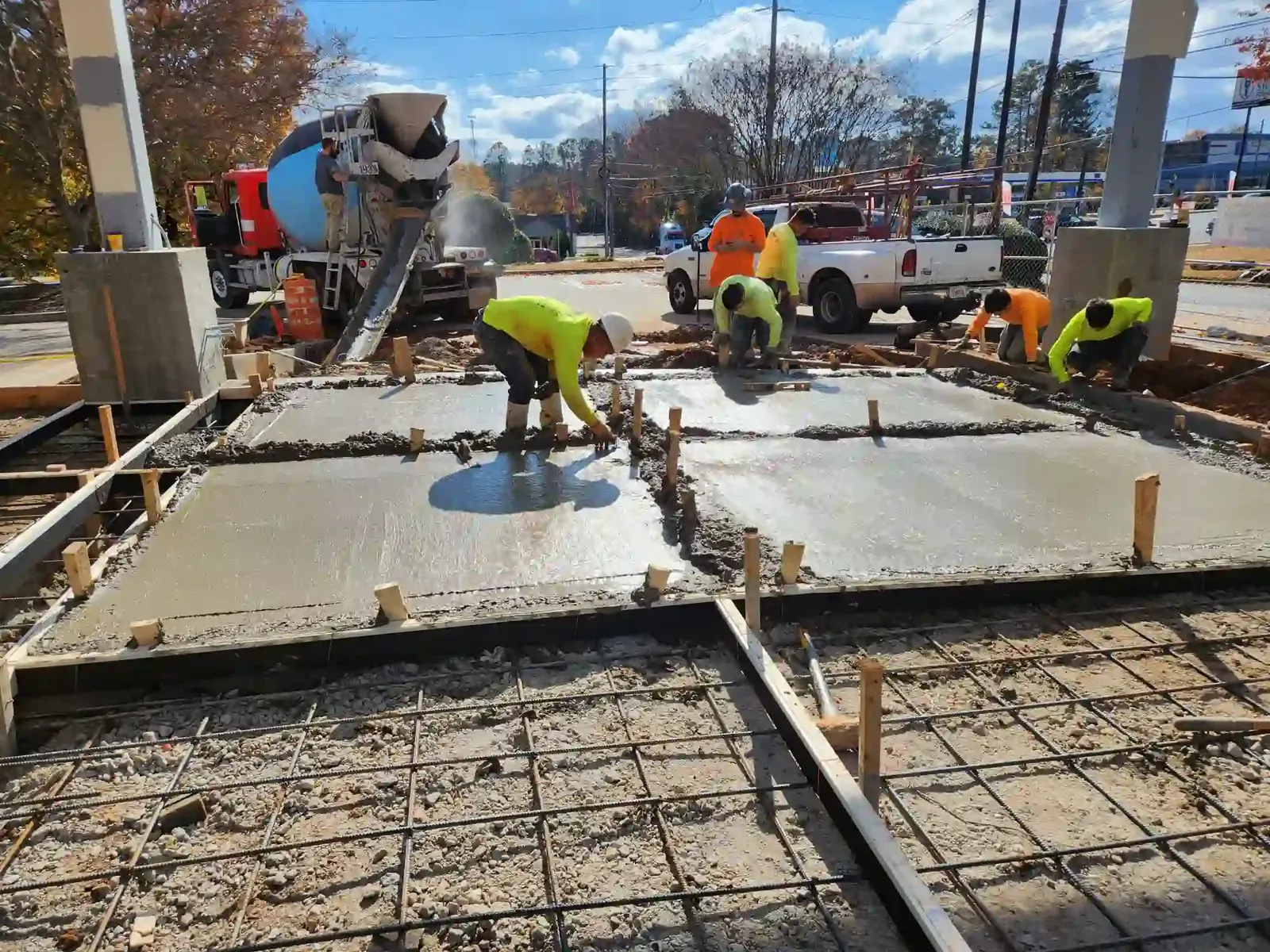
Driveways, patios, boat and RV pads, stamped concrete, and repairs. Poured by our own crew, on a real base, with drainage planned for flat lake-country lots.
- Free on-site estimate, itemized in writing
- Six-inch, rebar slabs for boats and trailers
- Open 7 days, 7am to 8pm
Get a Free Estimate
Two quick steps. We call back the same day, usually within the hour.
What are you planning?
Tap a project to see costs, options, and how we build it.
Built for the ground under Little Elm
Concrete that stays flat by the lake
Most cracked driveways in town did not fail from traffic. They failed from what was underneath: thin base, wet clay, and nowhere for the water to go.
Little Elm sits on Blackland Prairie clay that swells after a storm and shrinks hard in a dry summer. Lots near Lewisville Lake can stay soft for days. And because most yards are close to flat, rain sits on a slab unless the slope is built in. So we start every job below grade: dig out soft spots, compact crushed base in layers, set rebar on chairs, and pitch the slab so water leaves.
From a widened driveway in Union Park to a boat pad off a side gate in Paloma Creek or a patio extension in Valencia on the Lake, the prep is the same. That is the part you never see, and it is the part that decides how long your concrete lasts.
Our services
Concrete services in Little Elm
Residential and commercial work, from everyday flatwork to decorative finishes and heavy-duty pads.
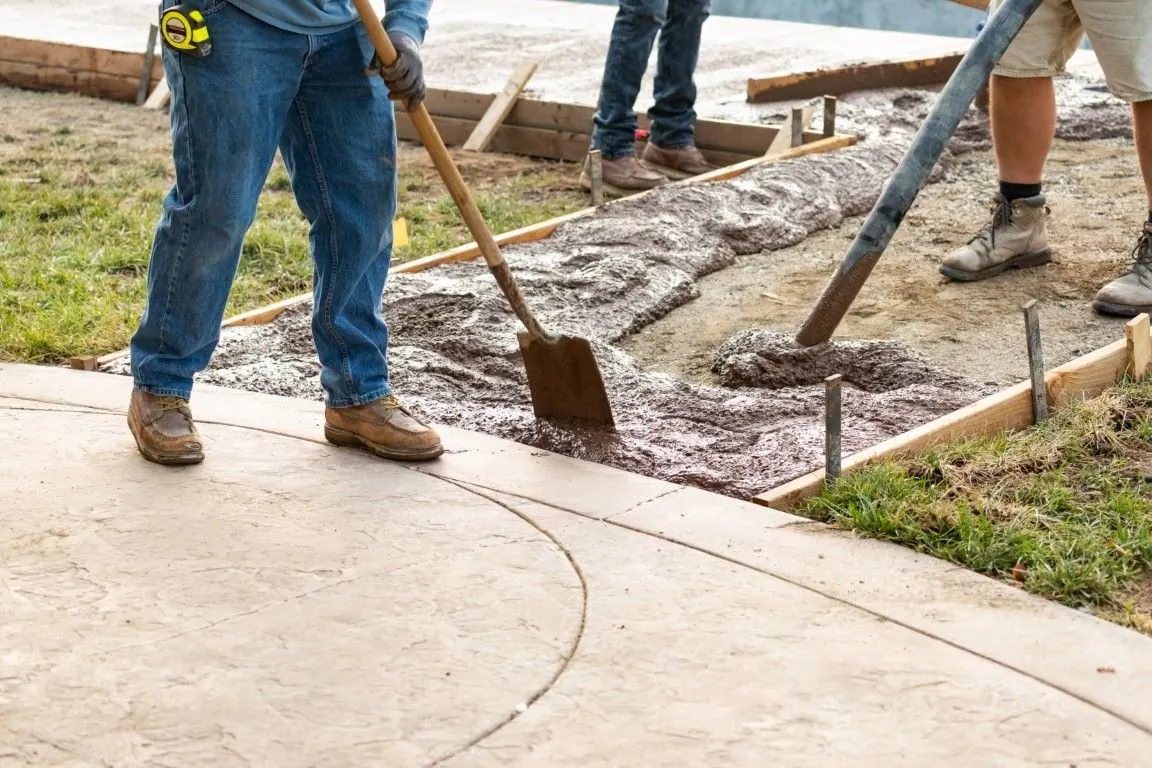
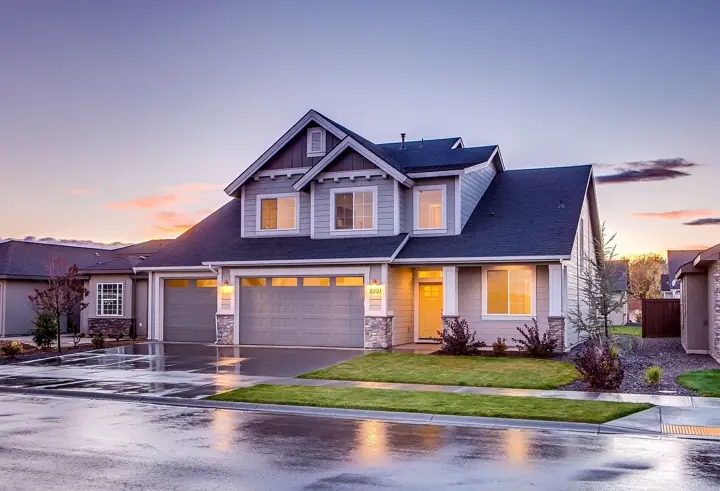 Concrete Driveways We pour concrete driveways in Little Elm, TX that are sized for the trucks, boats, and trailers people actually park here. See costs & options →
 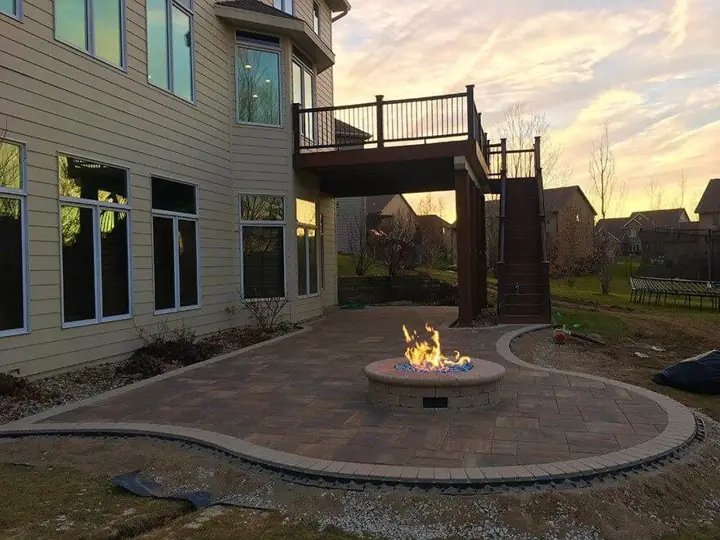 Concrete Patios A concrete patio in Little Elm, TX is the fastest way to make a small backyard usable. See costs & options →
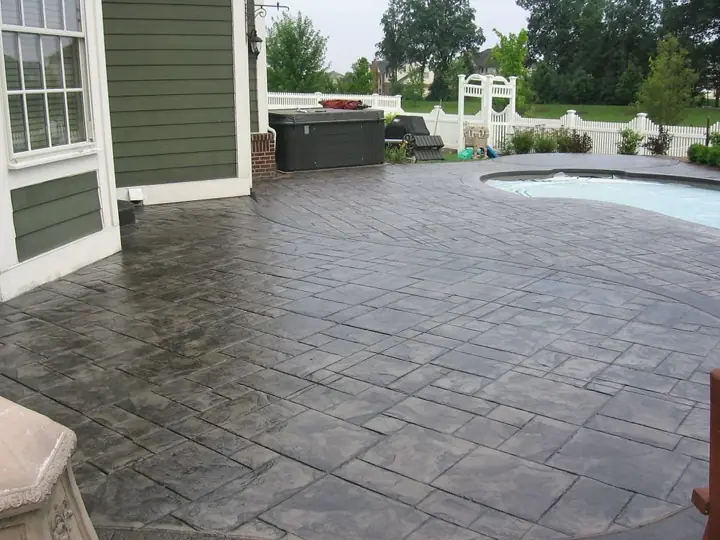
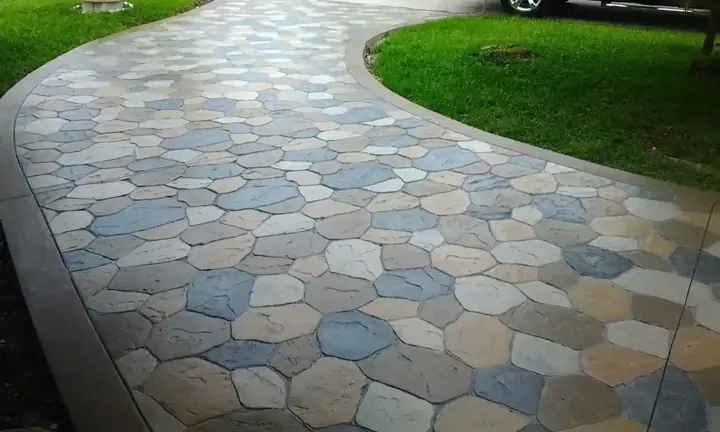
 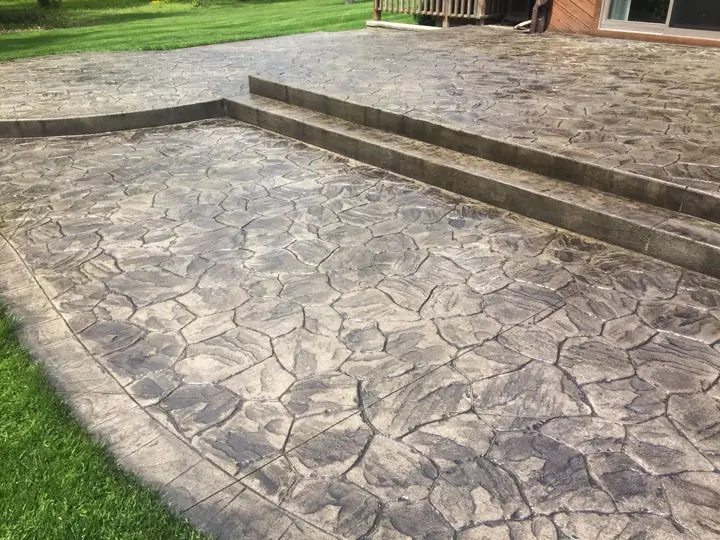 Stamped Concrete Our stamped concrete in Little Elm, TX gives you a stone or slate look without hundreds of loose pieces that shift on our clay. See costs & options →
 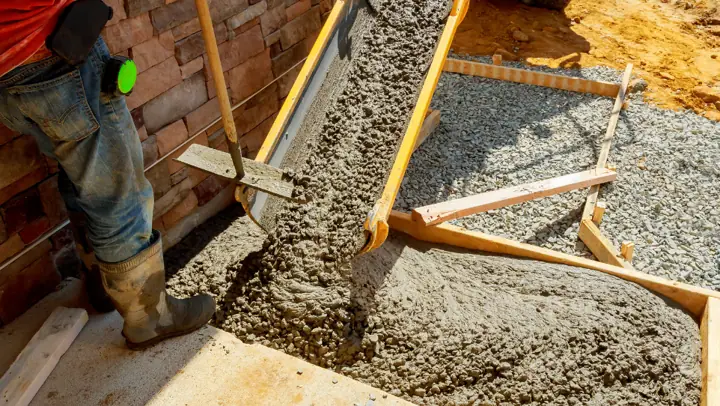 Concrete Slabs Concrete slabs in Little Elm, TX are what most lake households call us about once the garage fills up: a pad beside the house for the boat, a spot for the travel trailer, or a flat floor for a backyard shop or storage shed. See costs & options →
 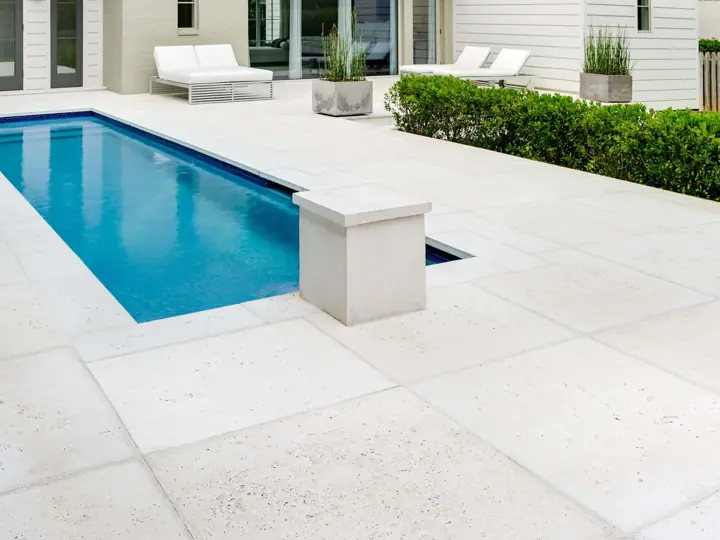 Concrete Pool Decks Every concrete pool deck we pour in Little Elm, TX has to stay cool enough for bare feet, grip when it is wet, and move water away from the pool. See costs & options →
 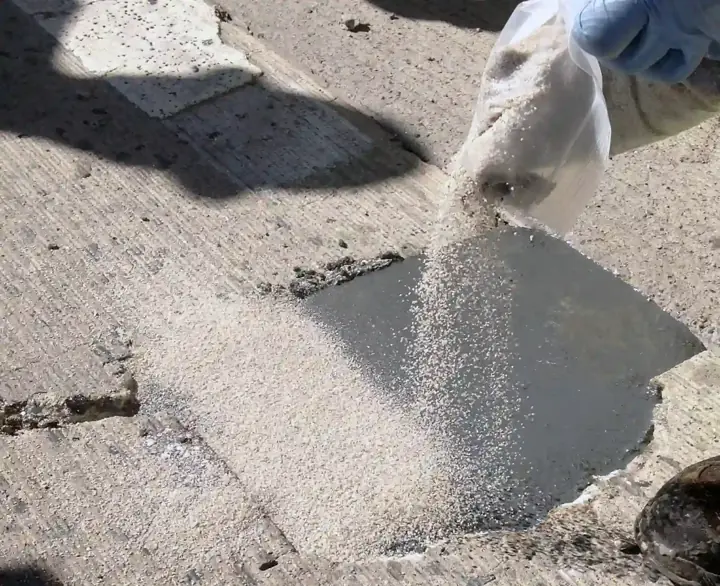 Concrete Repairs We handle concrete repair in Little Elm, TX for cracked driveways, sunken sidewalk panels, flaking patios, and broken steps. See costs & options →
 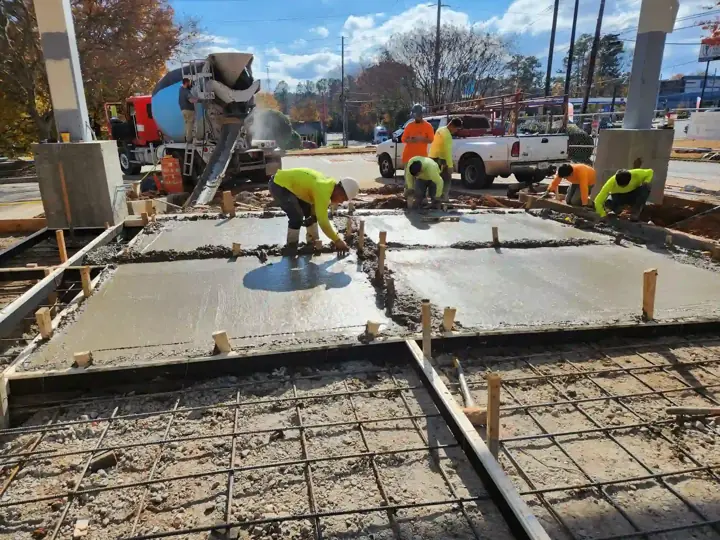 Foundation Services We pour concrete foundation slabs in Little Elm, TX for room additions, detached garages, workshops, and storage buildings. See costs & options →
 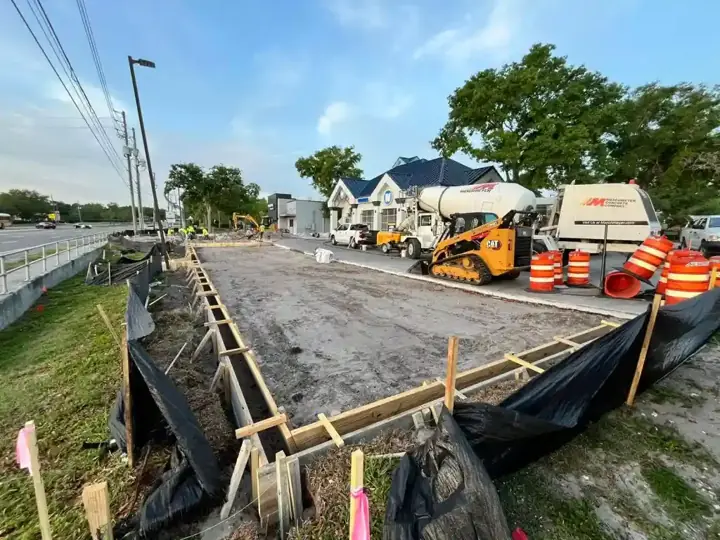 Commercial Concrete We handle commercial concrete in Little Elm, TX for shops, offices, churches, and property managers along Eldorado Parkway, FM 423, and the growing corridors around town. See costs & options →
 Why Little Elm calls us
The work you do not see is the work that lasts
Any crew can make fresh concrete look good on day one. Here is what keeps it looking good in year ten.
Schedule a Free EstimateDrainage planned, not hoped for
Little Elm lots are flat. We set the fall of every slab so rain heads to the yard or the street, and add a drain where water wants to sit.
Soft spots dug out
Near the lake the clay can stay wet. We cut out mush and rebuild with compacted base instead of pouring over it.
Thickness for what you park
Four inches for cars. Six inches with rebar for the boat, the trailer, or the RV. You will not crack it backing in.
Written price, clean site
Line-by-line estimates, the crew cleans up every day, and you know exactly when you can walk on and park on the new slab.
Finishes
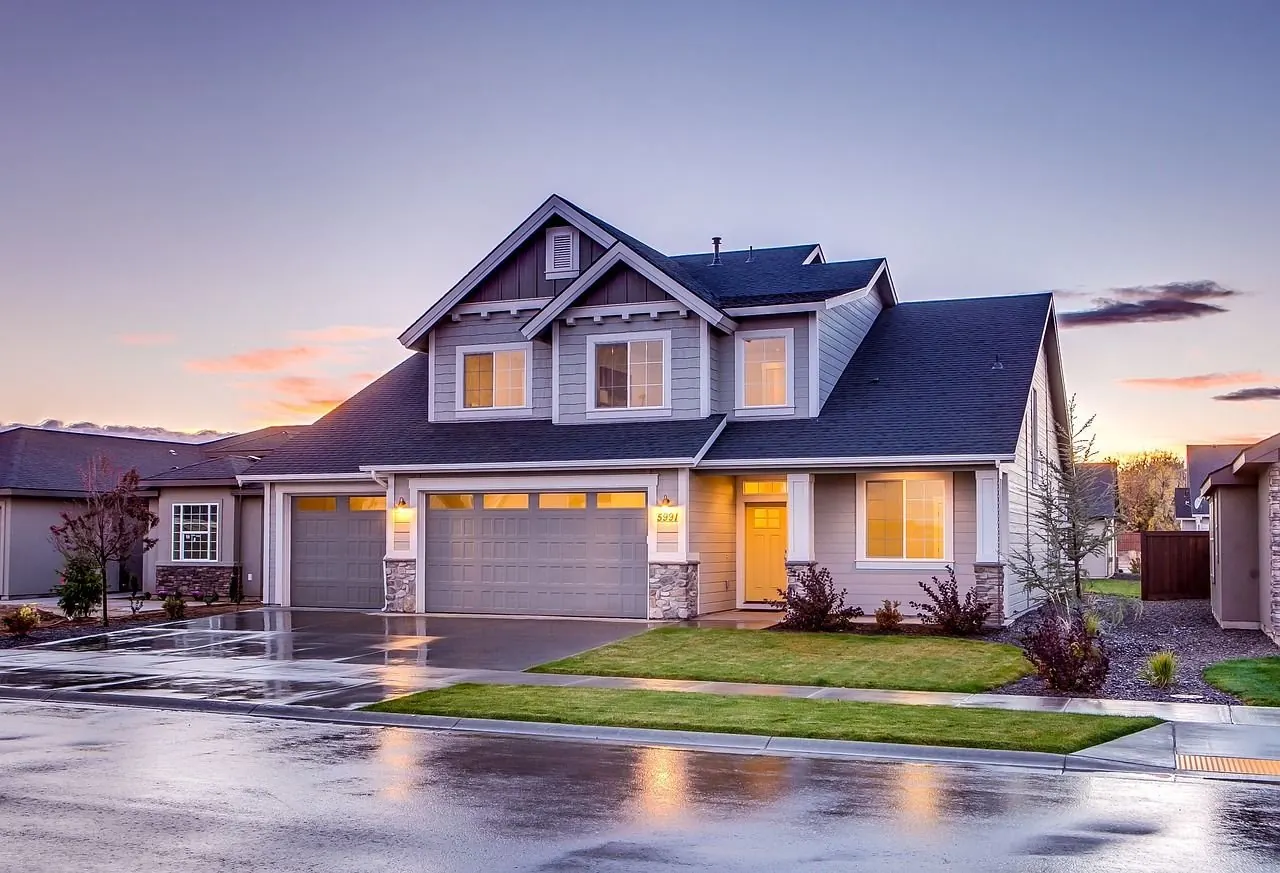
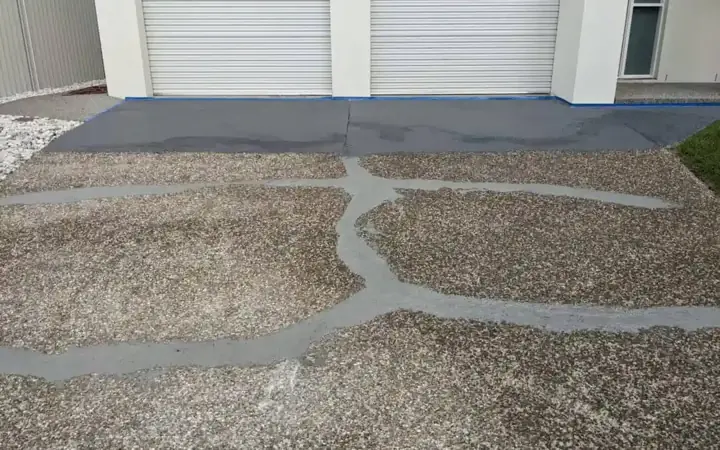
Pick the look, we handle the slab
How it works
From first call to finished slab
- 01
Site visit and written price
We come out, measure, and check how water moves across your lot. Little Elm yards are mostly flat, so we plan the fall of the slab instead of hoping rain finds its way off. You get a line-by-line price for tear-out, base, steel, and finish.
- 02
Dig out and build the base
We remove old concrete, cut the soil down to depth, and compact crushed base in layers over the clay. Soft, wet spots near the lake get dug out and replaced, not covered up. Forms go in true to the grade we planned.
- 03
Steel, pour, and finish
Rebar or mesh goes in on chairs so it sits in the middle of the slab where it does its job. We place the concrete, screed and float it, cut joints at the right spacing, and apply the finish you picked: broom, stamped, exposed aggregate, or smooth.
- 04
Cure, clean up, walk it
We keep the slab from drying out too fast in the Texas sun, pull the forms, backfill the edges, and haul away the mess. Then we walk the finished work with you and tell you when it can take foot traffic, a car, and a loaded boat trailer.
2026 pricing
What concrete costs in Little Elm
Every job gets a firm, written price after a free site visit. Use these ranges to plan before you call.
| Type of work | Typical installed range |
|---|---|
| Broom-finish flatwork, 4 in | $6 to $10 / sq ft |
| 6 in with rebar (boat, RV, trailer) | add $1.50 to $3 / sq ft |
| Exposed aggregate | $9 to $14 / sq ft |
| Stamped or colored | $12 to $20 / sq ft |
| Resurfacing overlay | $4 to $9 / sq ft |
| Sealing | $1 to $3 / sq ft |
| Tear-out and haul-off | add $1 to $4 / sq ft |
Price your project now
Enter the size, finish, and thickness. See a cost range and cubic yards, then send it to us for a firm number.
Open the Calculator Driveway cost guide → Boat and RV pad guide →Service area
Little Elm and the towns around the lake
Little Elm is home base. We also pour in these nearby towns, most within a short trip up Eldorado Parkway, FM 423, or across the lake.
- Little Elm, TX
- Frisco, TX
- The Colony, TX
- Prosper, TX
- Lewisville, TX
- Denton, TX
- Aubrey, TX
- Corinth, TX
- Lake Dallas, TX
- Plano, TX
- Oak Point, TX
- Providence Village, TX
FAQ
Little Elm concrete questions
Have a question that is not here? Call and ask. You will talk to someone who pours concrete.
Call (469) 430-2766What does concrete cost in Little Elm, TX?
Plain broom-finish flatwork usually runs about 6 to 10 dollars per square foot installed. Stamped or colored work lands around 12 to 20 dollars per square foot. Tear-out, a thicker slab for a boat or RV, and tight access raise the number. Call (469) 430-2766 and we will price your exact job on site.
How thick should my driveway be if I park a boat?
Four inches works for cars and light trucks. If a boat trailer, RV, or work truck sits on it, go to six inches with rebar on a grid and a thickened edge where the trailer turns in. That extra thickness costs far less than replacing a cracked slab.
Why do so many Little Elm driveways crack?
The clay under town swells after heavy rain and shrinks in a dry summer, and lots near the lake can stay wet and soft. Slabs poured thin on a weak base ride that movement and crack. A compacted base, steel, correct joint spacing, and planned drainage keep cracks small and in the joints.
How soon can I use new concrete?
Walk on it after a day or two. Park a car on it after about a week. Hold off on heavy trailers and RVs for close to a month while the concrete gains strength.
Do I need HOA or Town approval?
Most Little Elm subdivisions have an HOA that reviews new flatwork, color, and boat or RV parking. Work at the street or a new driveway approach may need a permit from the Town of Little Elm. We help you gather what each one asks for before we schedule the pour.
What areas do you serve?
Little Elm is home base. We also work in Frisco, The Colony, Prosper, Lewisville, Denton, Aubrey, Corinth, Lake Dallas, Plano, Oak Point, and Providence Village. If you are nearby and do not see your town, give us a call.
Free estimates
Ready for a free concrete estimate?
Call or send a request and we will set up a free on-site visit. You get a written, itemized estimate with no pressure. Open 7 days, 7am to 8pm.