The first thing we do is figure out why the concrete failed. A patch over a drainage problem or a soft spot will fail again, usually by the next wet spring. If a repair will not last, we say so and price a replacement next to it.
Reading the damage
Different damage points to different causes. A single hairline crack in an otherwise flat slab is normal shrinkage and just needs sealing. A crack that is wider on one end, with a lip where one side sits higher, means the ground under it moved. A surface that flakes and pops in thin chips usually traces back to freeze damage or a finish that was overworked when it was poured.
In Little Elm, a lot of what we see starts with water. Downspouts that dump next to a driveway, sprinklers that soak the same edge every night, and low spots that hold rain all feed the clay and push the concrete around.
Repair options
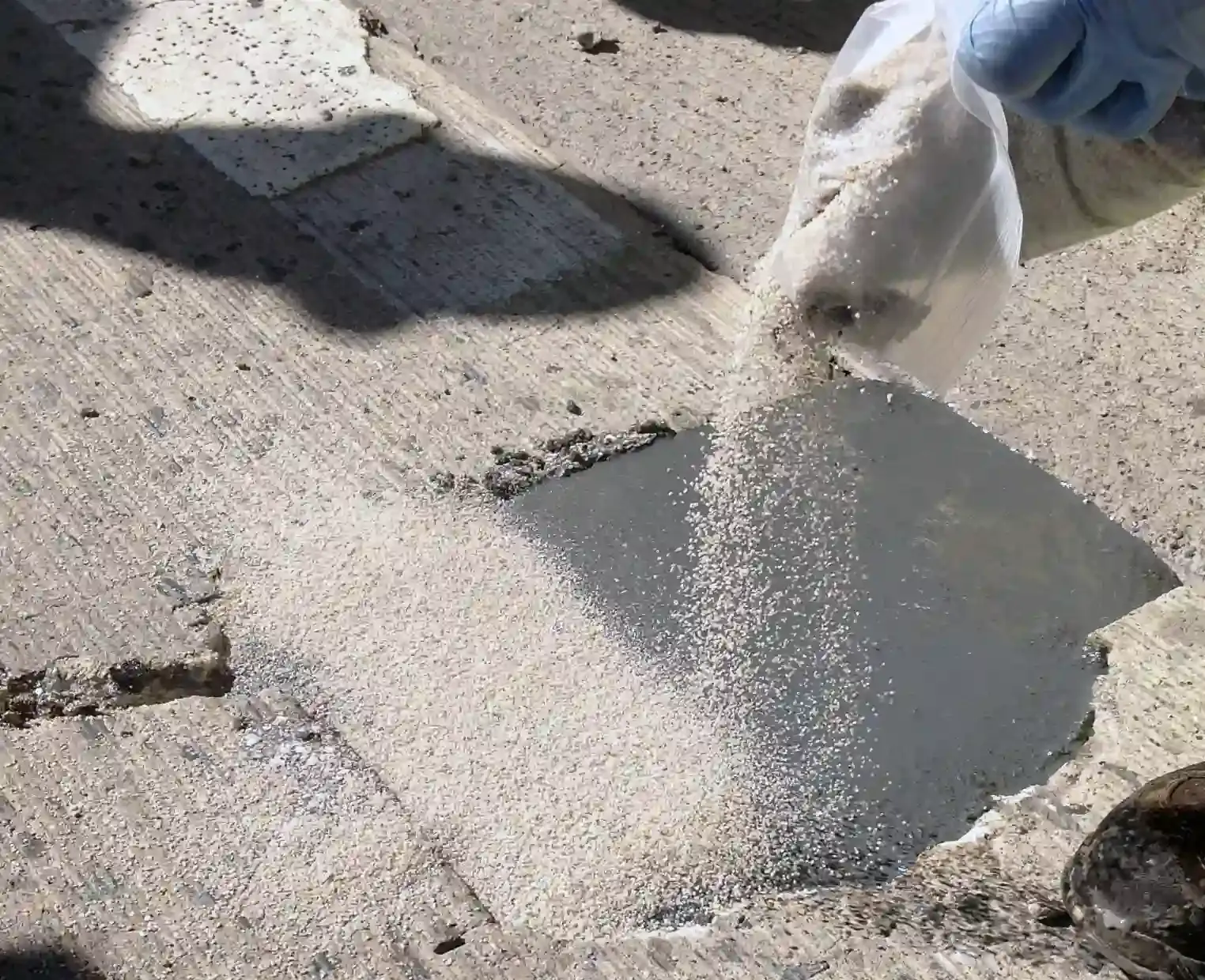
For tight cracks, we route and seal them with a flexible filler so water stays out. For flaking or worn surfaces on a sound slab, we use a bonded resurfacing overlay that gives you a new top layer. For a panel that has sunk an inch or two, leveling can bring it back to grade.
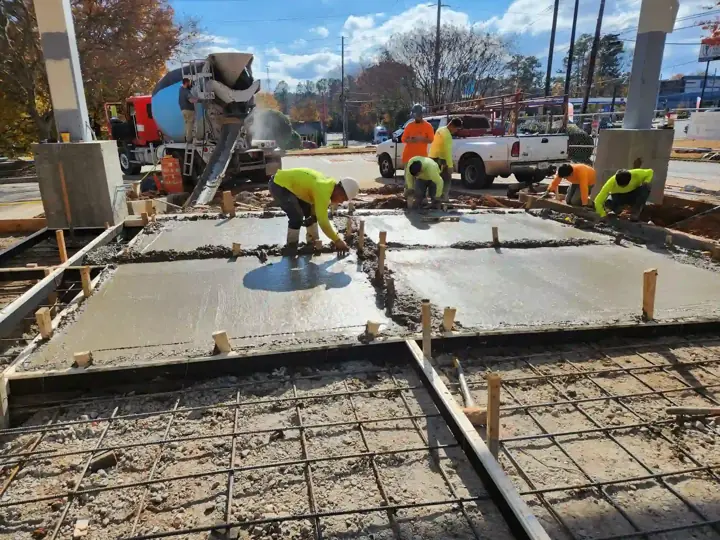
When a section has broken into pieces, heaved badly, or lost the ground under it, we saw-cut it out and pour a new panel tied to the slabs around it. That is often cheaper than people expect, since we only replace what failed.
Stopping it from coming back
Here is why we ask so many questions about water. If the cause stays, the repair is temporary. We look at gutters, downspouts, sprinkler heads, and yard grade during every repair estimate.
Small fixes go a long way: a downspout extension, a sprinkler head turned away from the slab, or a few inches of regrading along an edge. We point these out in writing even when they are things you can handle yourself.
How the repair visit works
We walk the property with you and look at every slab, not just the one that bothers you. Then we write up each problem, the likely cause, and the fix we suggest, with a price next to each one.
You choose what to do now and what can wait. Some owners fix the trip hazard by the front door this month and plan the larger driveway work for next year, and that is a perfectly reasonable way to go.
Wet ground, sunken panels, and when to call us
Little Elm sits on expansive clay, and lots near Lewisville Lake or in low spots stay wet longer than most after a storm. That soft, soaked soil lets a sidewalk panel or a section of driveway sink an inch or two, then the clay dries out in August and pulls away from the slab even more. The result is a trip edge at the front walk or a low spot in the driveway that holds water every time it rains.
Not every crack needs us. A thin, straight hairline crack with both sides level is usually cosmetic, and sealing it is enough. Call us when you see one side of a crack sitting higher than the other, a panel that rocks when you step on it, a gap opening between the slab and your foundation, or water pooling where it never used to.
Here is why it pays to call early. A sunken panel with a sound surface can often be lifted and the voids underneath filled, which costs far less than tearing it out. Once the panel breaks apart, replacement is the only fix. At the visit, we also check downspouts and grade, since water dumping at one corner is the most common reason a repair here fails twice.