We scrub the slab, lift the stains we can, and roll on a sealer matched to the surface. That coat keeps rain, boat trailer grease, and pool water from soaking in, and on stamped or colored concrete it keeps the color from bleaching out under the Texas sun.
What sealer actually stops
Concrete drinks. Water gets into the pores, and on the few nights each winter when it freezes hard, it pops tiny flakes off the top. Oil from a boat trailer hub or a leaky truck soaks in and leaves a dark ghost. Sprinkler water with iron in it leaves orange streaks. Months of full sun turn a rich stamped color chalky.
A sealer closes those pores so the slab sheds water instead of holding it. Here is why that matters below the surface, too. Water that does not get into the edges of a slab does not soften the clay underneath, and wet clay under concrete is where movement starts.
Matching the sealer to the slab
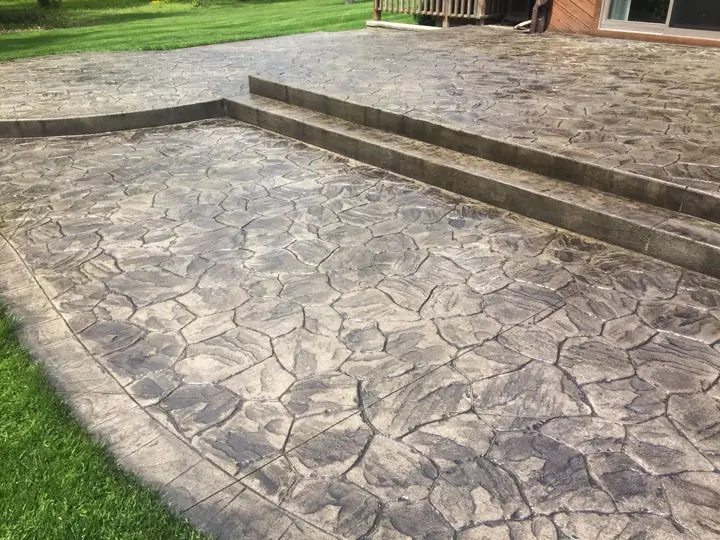
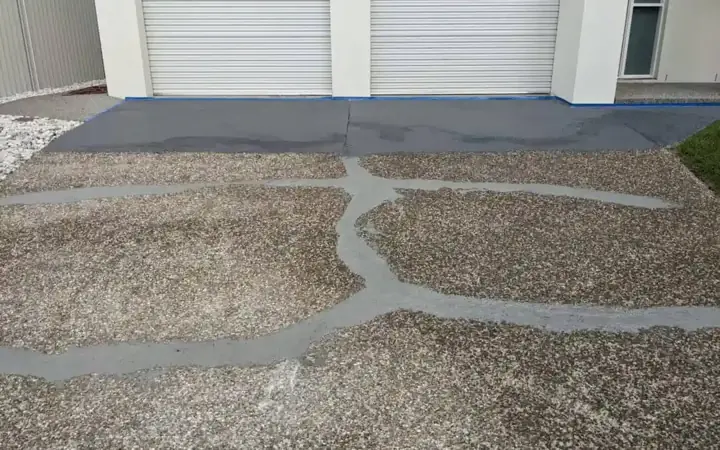
Not every slab wants the same product. A broom-finish driveway does best with a penetrating sealer that soaks in, repels water, and leaves the surface looking natural with its grip intact. Stamped, stained, and exposed aggregate work usually gets an acrylic that sits on top and brings back the wet, deep color.
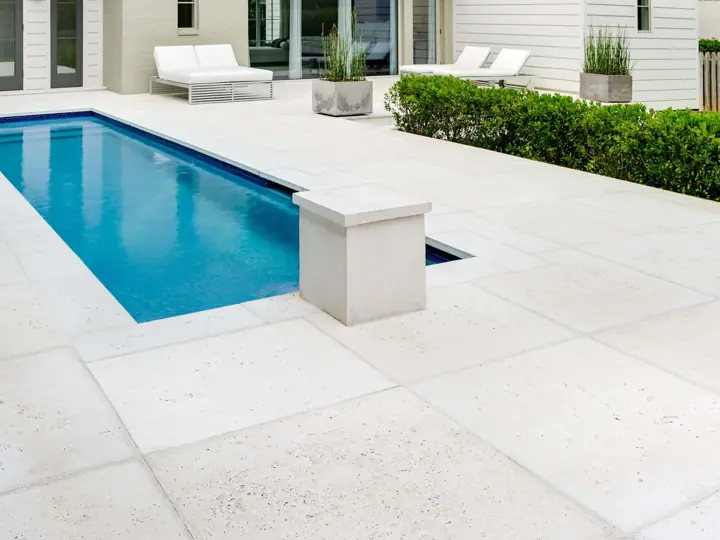
Pool decks get a sealer that stands up to pool chemicals, with a grit mixed in so wet feet stay planted. Garage floors and shop slabs where hot tires and chemicals sit are better off with a tougher urethane or epoxy coating. We will tell you which one fits and why.
How a sealing visit goes
Next steps: move cars and furniture off the slab and shut the sprinklers off the night before. We pressure wash, treat oil and rust spots, and wait for the slab to dry out fully. Sealing a damp slab is the top cause of that cloudy white haze you see on older stamped patios.
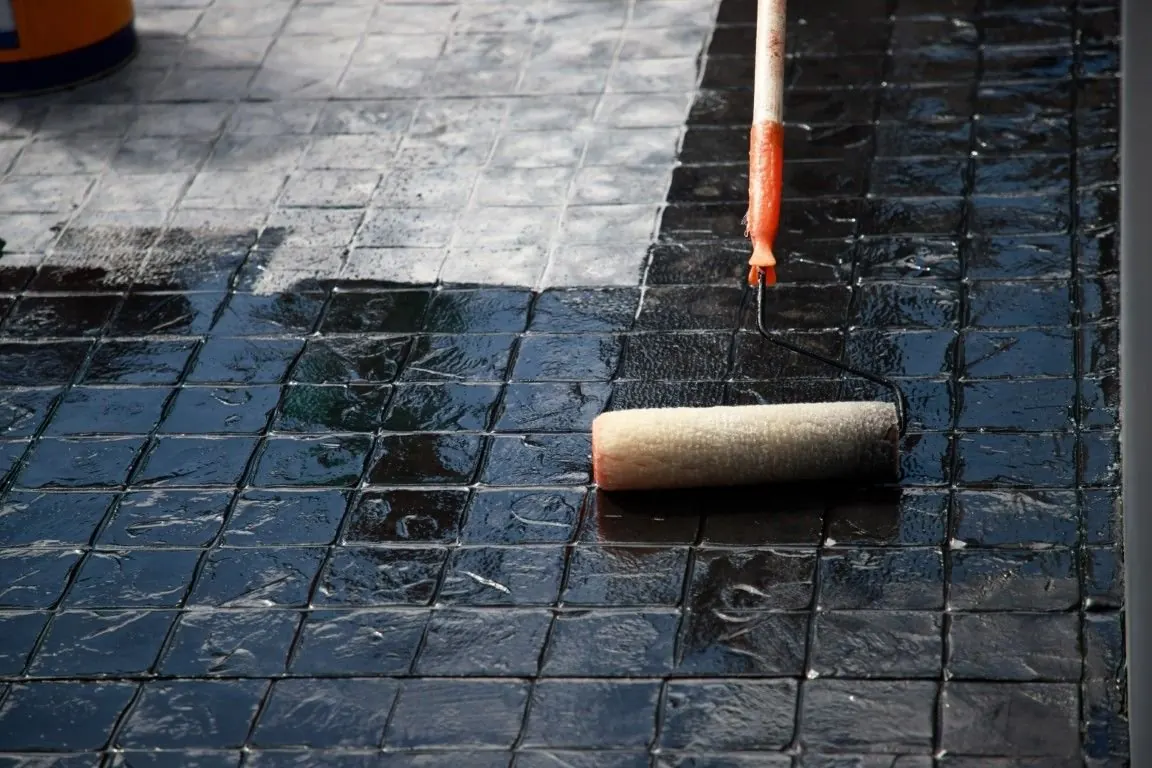
The sealer goes on in thin, even coats. Two thin coats beat one heavy one every time. You can walk on it the same evening or the next day, and park on it after a couple of days. Brand-new concrete needs about a month to cure before its first coat.
Sealing around boats, pools, and lake life
Boat owners see a pattern here. Trailer bearings drip grease, salt-free lake water still leaves mineral spots, and a wet boat dripping on the same panel all summer stains it. A sealed driveway lets that grease sit on top where it wipes off instead of soaking in.
Pool decks are the other hard case. Chlorine and salt systems wear sealer faster than rain, so plan to recoat the deck a bit more often than the driveway. We add grit every time so the deck stays safe for kids running from the pool.
The best time to seal in Little Elm is spring or fall, on mild days in the 50s to 80s with a dry forecast. In summer we roll at sunrise, before the slab heats up and the coat dries streaky.